पहनना क्या है

what to wear

As we said before, wear whatever you feel the most comfortable in. To help with the details, we've put together an overview of various traditional Indian outfits, and a shopping guide to help you with your search.

Regarding traditional Indian clothing (as an attendee of non-Indian descent):
Wearing traditional Indian clothing to these events is not only acceptable, it's encouraged (Natasha says so!). You're welcome to wear traditional clothing for both events, one of the events, or none of the events — whatever feels right.

If you do opt for wearing traditional Indian clothing, we recommend trying a few things out, especially if you've never worn any of these clothes before. Stop by a store if you're close enough to one, or order some returnable options online so you can see how it feels!

event suggestions

India is vibrant. It's bold and rich in color and bright patterns. More so when there's a reason to celebrate (us)! Embrace this; wear clothes that are vibrant or make you feel vibrant.

Sunday, February 14th

Jewish Ceremony / DylNOza Night, 6–midnight

Please wear clothes you can move and groove in. Natasha is most comfortable sitting on the floor so we’re planning to have mostly floor seating - we don’t want your outfit to stop you from joining her! If you want to wear one western outfit and one Indian outfit, we recommend wearing your western outfit for this event, since we'll be having the Jewish ceremony. If you want to wear an Indian outfit, great! - Natasha will be too.

Monday, February 15th

Hindu Ceremony, 5–7PM | Reception, 7PM–until they kick us out

If you want to wear an Indian outfit, we recommend you do so for this event, since we'll be having the Hindu ceremony. Again, prioritize your comfort - we’d rather you focus on cheering us on than managing an outfit that doesn't feel right. Avoid wearing the color red. Red is bridal and what Natasha will be wearing.

to keep in mind

Whether you choose to wear Indian or western clothing, a few things to keep in mind:

  • Avoid red on day two (February 15th)
  • Avoid entirely white or black outfits. These are inauspicious colors, keep your bad juju away!
  • To be respectful, avoid mini skirts/dresses. Knee-length (or longer) is more appropriate

If you have any questions - please don't hesitate to reach out! We know this is unchartered territory for some and we want to make sure y’all have as much information as you need to feel comfortable and excited.

traditional outfits

Below is a quick visual overview of the most common outfits for an Indian wedding (if you decide to go non-western). All of these can be worn for either day.

for women

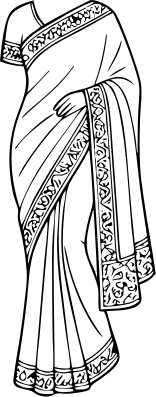
Saree

Saree

साड़ी

A single 5–6m length of fabric draped around the body over a fitted blouse and petticoat (under skirt). The most iconic Indian garment.

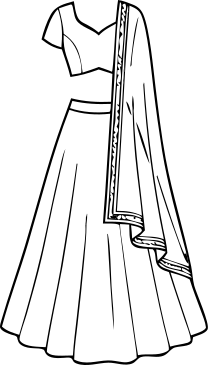
Lehenga

Lehenga

लहंगा

A flared floor-length skirt paired with a fitted blouse (choli) and a draped scarf (dupatta).

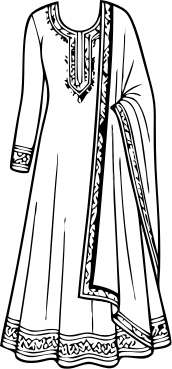
Anarkali

Anarkali

अनारकली

A floor-length flowing dress with a fitted bodice flaring out from below the chest. Worn with matching tights/leggings underneath and paired with a draped scarf (dupatta).

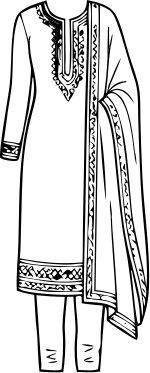
Suit

Suit

सूट

A three-piece set: a long tunic (kameez), loose pants or tights (salwar or churidar respectively), and a draped scarf (dupatta).

for men

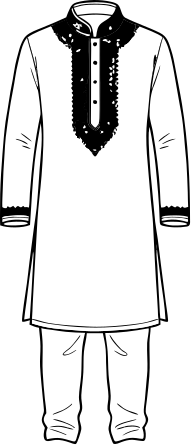
Kurta

Kurta

कुर्ता

A long tunic worn over well-fit pants (churidar/pajama). Versatile across formal and casual based on the material and amount of work on the kurta.

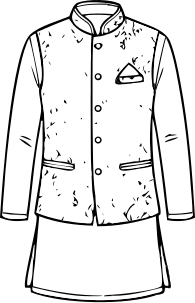
Nehru jacket with kurta

Nehru jacket with kurta

नेहरू कुर्ता

A short, collared vest layered over a long kurta. Festive without being too heavy.

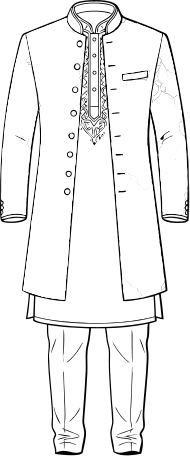
Indo-western

Indo-western

इंडो-वेस्टर्न

Fusion silhouette — a sherwani-style jacket paired with a kurta and trousers, often worn open, or with a western style collar. The middle ground between full traditional and a western suit.

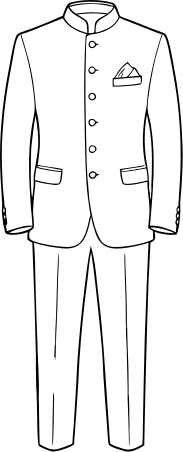
Bandhgala

Bandhgala

बंदगला

A structured, hip-length closed-collar jacket worn over slim trousers. Traditionally the most formal of the options.

where to shop

We've put together a list below of shops our friends and family have used before, treat this as a starting place, but feel free to go wherever you want.

We're also big supporters of secondhand! (it's good for the planet, and usually cheaper). If you have friends or family that have been to Indian weddings before, they may already have outfits you can borrow. Friends have also had good luck on Facebook Marketplace, Poshmark, and Ebay.

Online

All of these online options have both men and womens wear and they also ship to the US. This is a non-exhaustive list! If you find something you like elsewhere, check site reviews before purchasing. Try to order 2-3 months in advance - alterations and stitching can add ~3 weeks.

Shops in the US

IRL shopping in some of your cities.

New York (ish)

If you go up to Jackson Heights, you can't leave without getting some momos. Ask Dylan (resident expert of all things dumpling) where to find the juiciest ones. For clothing, here are some shops we recommend:

Bay Area

Sunnyvale (along El Camino Real) and Fremont have the largest concentrations of Indian bridal and formal-wear shops in the Bay.

  • Sakhi FashionsSunnyvale
  • RoopamSunnyvale
  • Bombay Sari PalaceSunnyvale
  • Sari PalaceFremont

Shops in India

If you're arriving early, there are plenty of shops in Mumbai for traditional clothing. We don't recommend this option, as it's pretty last minute, and there will likely not be enough time for alterations and stitching.


However, if you're unreasonably confident in your time management, communication skills, and ability to quickly acclimate, below are some areas for shopping our family recommends. Make sure to read through our travel guide first, we don't want you to wake up in Delhi when you should be at the hotel getting ready to celebrate your favorite people (us).

Mumbai

  • SV Road, SantacruzMid-range boutiques and street stalls
  • Linking Road, BandraMore boutiques and stalls
  • Hill Road, BandraStreet shopping with stitching options
  • Colaba CausewayTourist-friendly, great for jewelry and accessories
back to home